Understanding the Impact of Art on Local Communities
Art has long been recognized as a vital component of cultural identity and community engagement. This article explores how art initiatives can enhance local communities, foster social interactions, and stimulate economic growth, particularly for individuals aged 40-60.
Art as a Catalyst for Community Connection
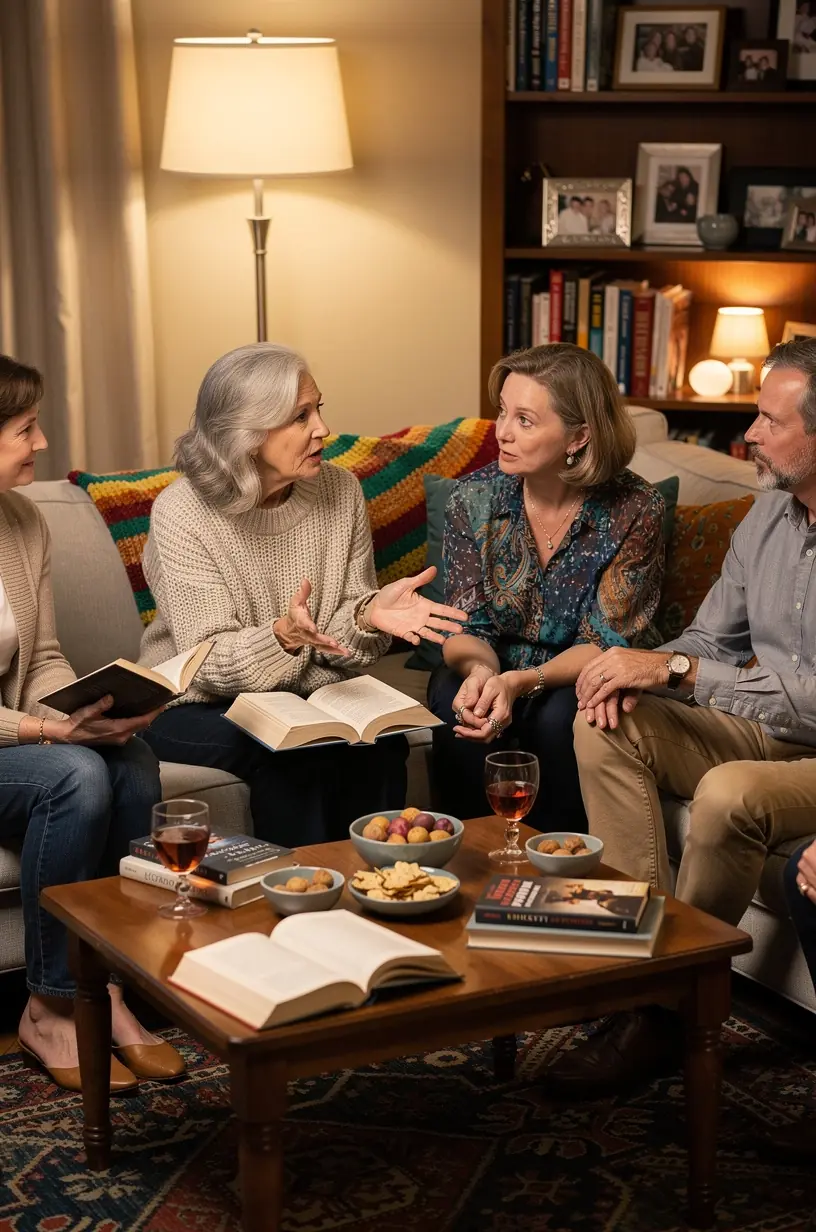
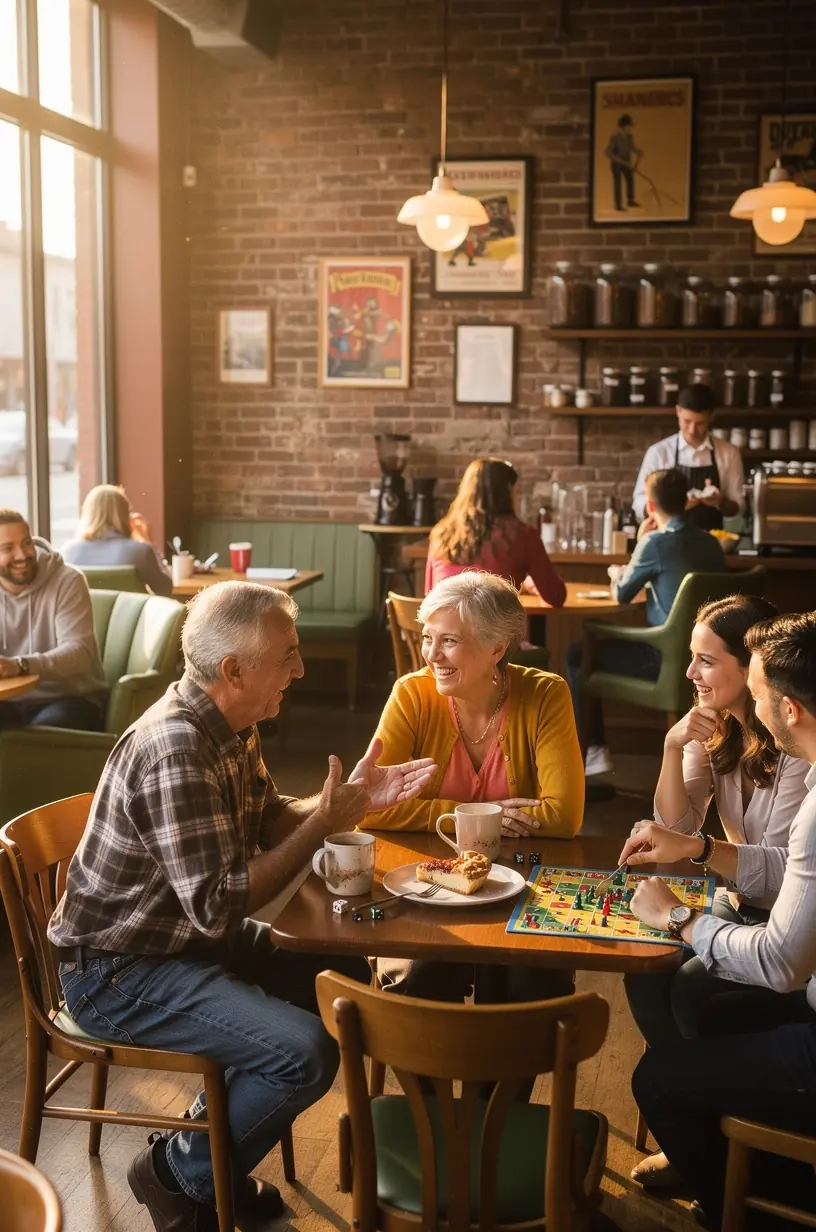
Research indicates that art can significantly enhance community bonds. According to a study conducted by the National Endowment for the Arts, communities with active arts programs often report stronger social ties and a greater sense of belonging among residents. This is particularly important for those in their 40s to 60s, who may be looking for meaningful ways to connect with others.
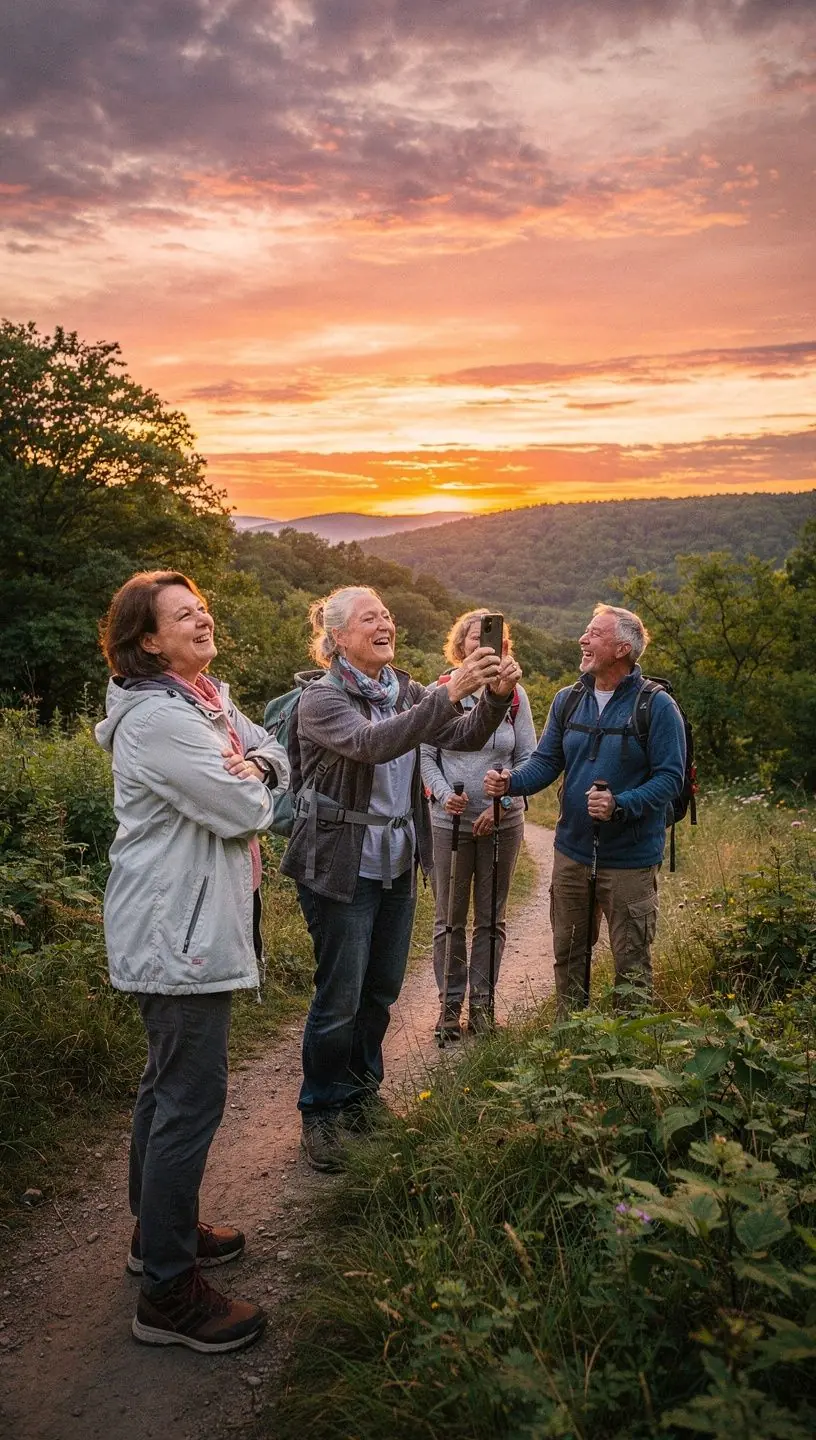
"Communities that prioritize the arts often experience enhanced civic engagement and social trust among residents."
Economic Benefits of Local Art Initiatives
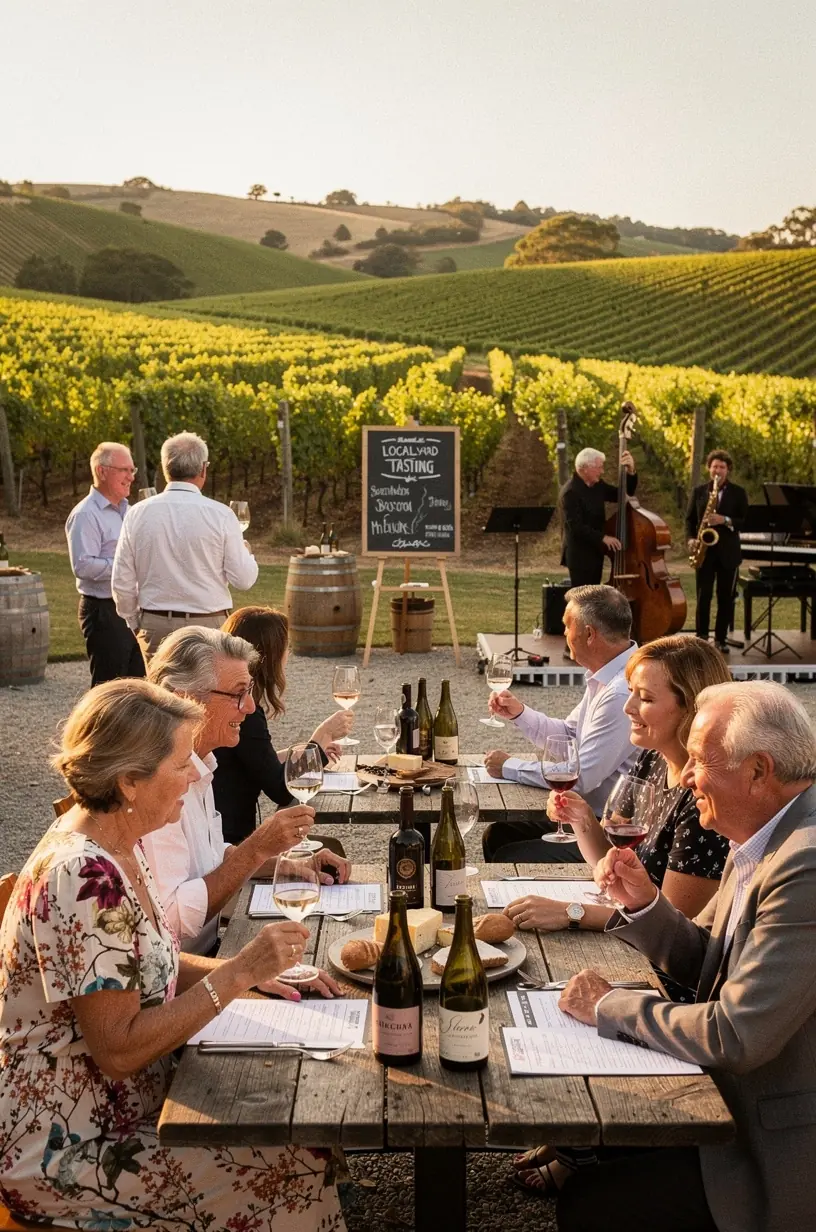
Investing in local art initiatives can also have notable economic implications. Studies show that arts-related activities can contribute to local economies through increased tourism, job creation, and the promotion of local businesses. For instance, towns that host art fairs or music evenings often see a boost in sales for nearby restaurants and shops. This economic stimulation can be particularly beneficial for areas with an aging population, providing employment opportunities suited to older adults.
How Art Programs Work
Art programs typically involve collaboration between local governments, artists, and community members. These initiatives can include:
- Workshops: Engaging local residents in hands-on art creation fosters a sense of ownership and pride.
- Exhibitions: Displaying local artists' works can attract visitors and encourage cultural appreciation.
- Performance events: Music evenings and theater productions create social spaces where community members can gather and interact.
Challenges and Considerations
While the benefits of art in local communities are well-documented, implementing successful art programs requires careful planning and dedication. For instance, these initiatives may require funding, volunteer support, and a commitment to ongoing engagement. It's essential for community leaders to recognize that while art can bring people together, it also demands consistent effort to maintain interest and participation. In many cases, the benefits may become evident over a period of months or years, rather than immediately.
Conclusion
In conclusion, art plays a pivotal role in enhancing local communities by fostering connections and driving economic benefits. For those in the 40-60 age group, engaging with the arts can lead to fulfilling social interactions and the opportunity to contribute to their community's cultural landscape. By investing time and resources into art programs, communities can create lasting impacts that enrich the lives of their residents.