The Role of Live Music in Community Engagement
Live music serves as a vital component of community engagement, fostering connections and enhancing cultural experiences for individuals aged 40-60. This article explores how live music can strengthen community ties, promote social interactions, and support local culture.
Understanding the Impact of Live Music
According to studies, live music has the potential to significantly enhance community engagement. Research indicates that attending live music events can lead to increased social cohesion among participants, typically fostering a sense of belonging. This works because live performances create shared experiences that individuals can bond over, thereby strengthening community ties.
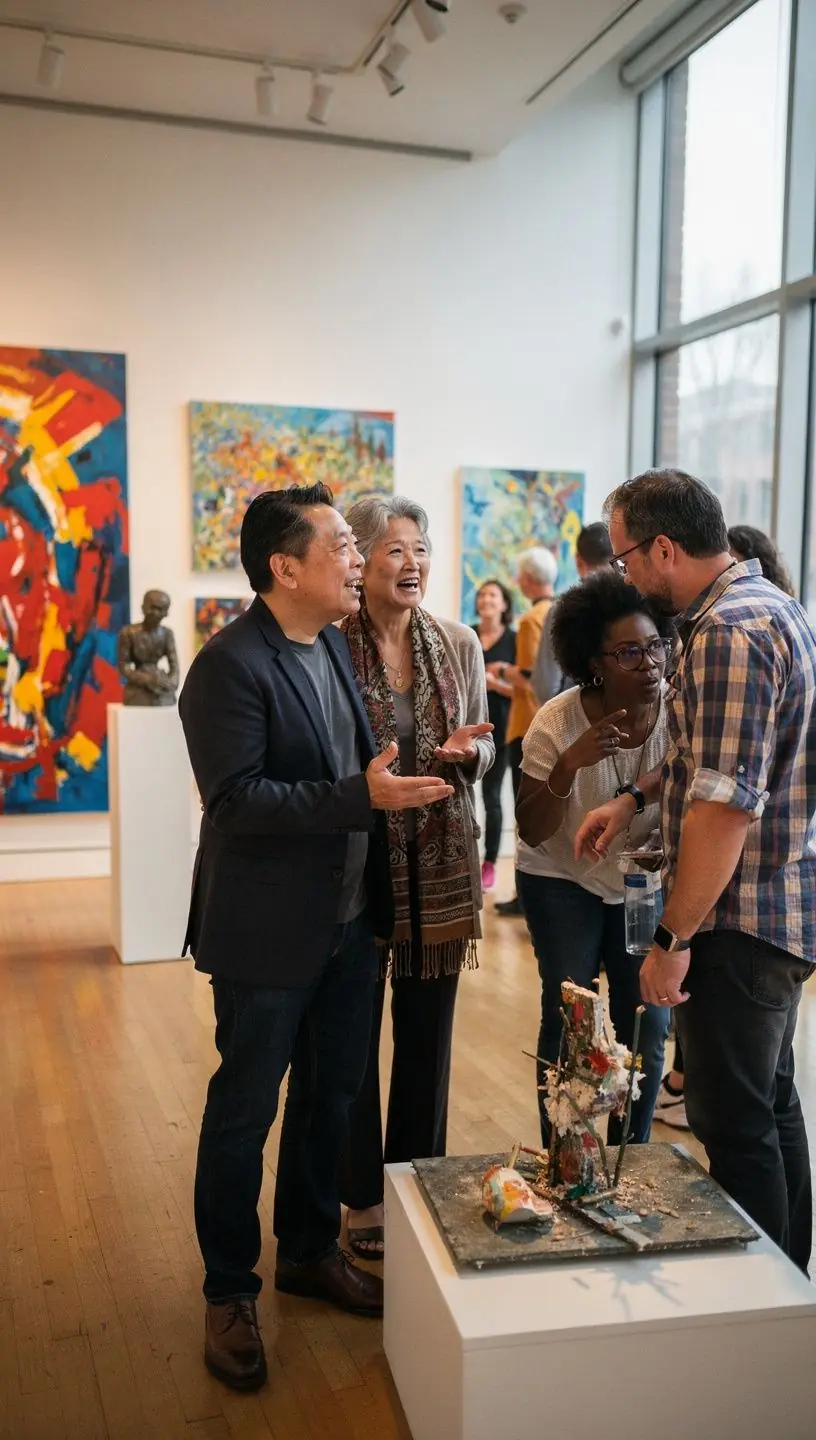
"Music can serve as a powerful tool for social interaction, helping to break down barriers and foster connections between individuals from diverse backgrounds." - Community Engagement Expert
How Live Music Fosters Community Bonds
Live music events often create a space where community members can come together. Here are some ways this occurs:
- Shared Experiences: Participating in live music events allows community members to share in a collective experience, which can lead to lasting friendships and connections.
- Encouragement of Local Culture: These events often showcase local talent, which supports artists in the community while promoting local culture and heritage.
- Opportunity for Interaction: Social interactions are typically increased during live performances, as attendees may engage in conversations with one another, thus enhancing social networks.
Challenges and Considerations
While live music can enhance community engagement, there are some challenges to consider:
- Accessibility: Not all community members may have access to live music events due to transportation or financial constraints. Community organizers should consider free or low-cost events to ensure inclusivity.
- Time Commitment: Organizing live music events typically requires significant planning and commitment from volunteers or organizers, often taking several weeks to coordinate effectively.
- Noise Concerns: In some cases, live music events can cause noise disturbances in residential areas, necessitating careful planning and communication with local authorities.
Conclusion
In conclusion, live music plays a crucial role in fostering community engagement among individuals aged 40-60. By creating shared experiences and promoting local culture, live music can help strengthen community ties. However, it is essential to acknowledge the challenges involved in organizing such events. Communities that invest in live music can create vibrant social environments that support both individual well-being and cultural richness.