Practical Guide to Organizing Cultural Festivals
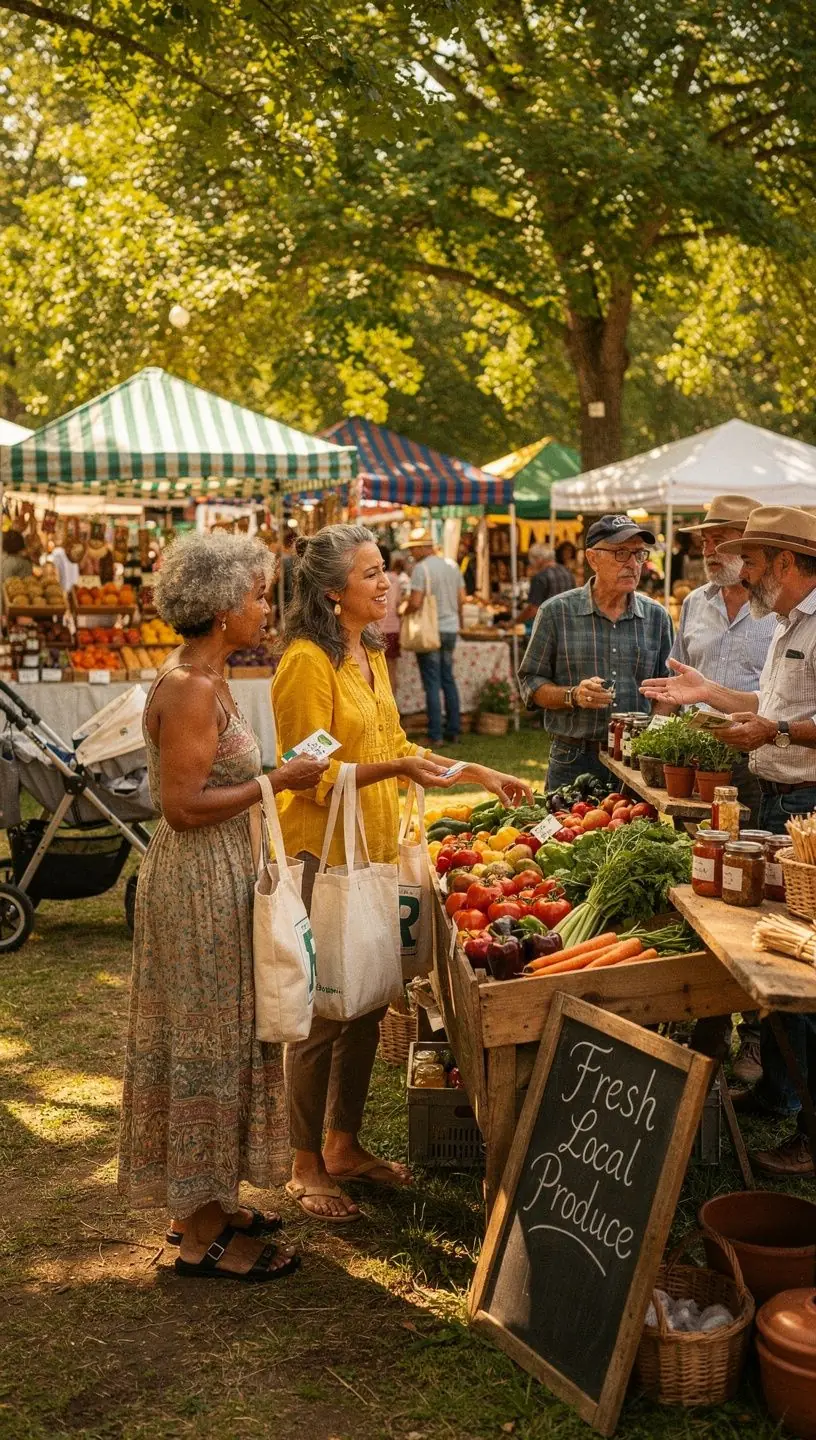
Cultural festivals can significantly enhance community engagement and celebrate local heritage. This guide provides actionable insights into organizing a successful festival, tailored for those looking to connect with their community.
Understanding the Basics of Cultural Festivals
Organizing a cultural festival typically involves several key components, including planning, budgeting, and community involvement. According to research by the National Endowment for the Arts, cultural events can foster a sense of belonging and enhance community identity. This works because they bring diverse groups together to share experiences and develop relationships.
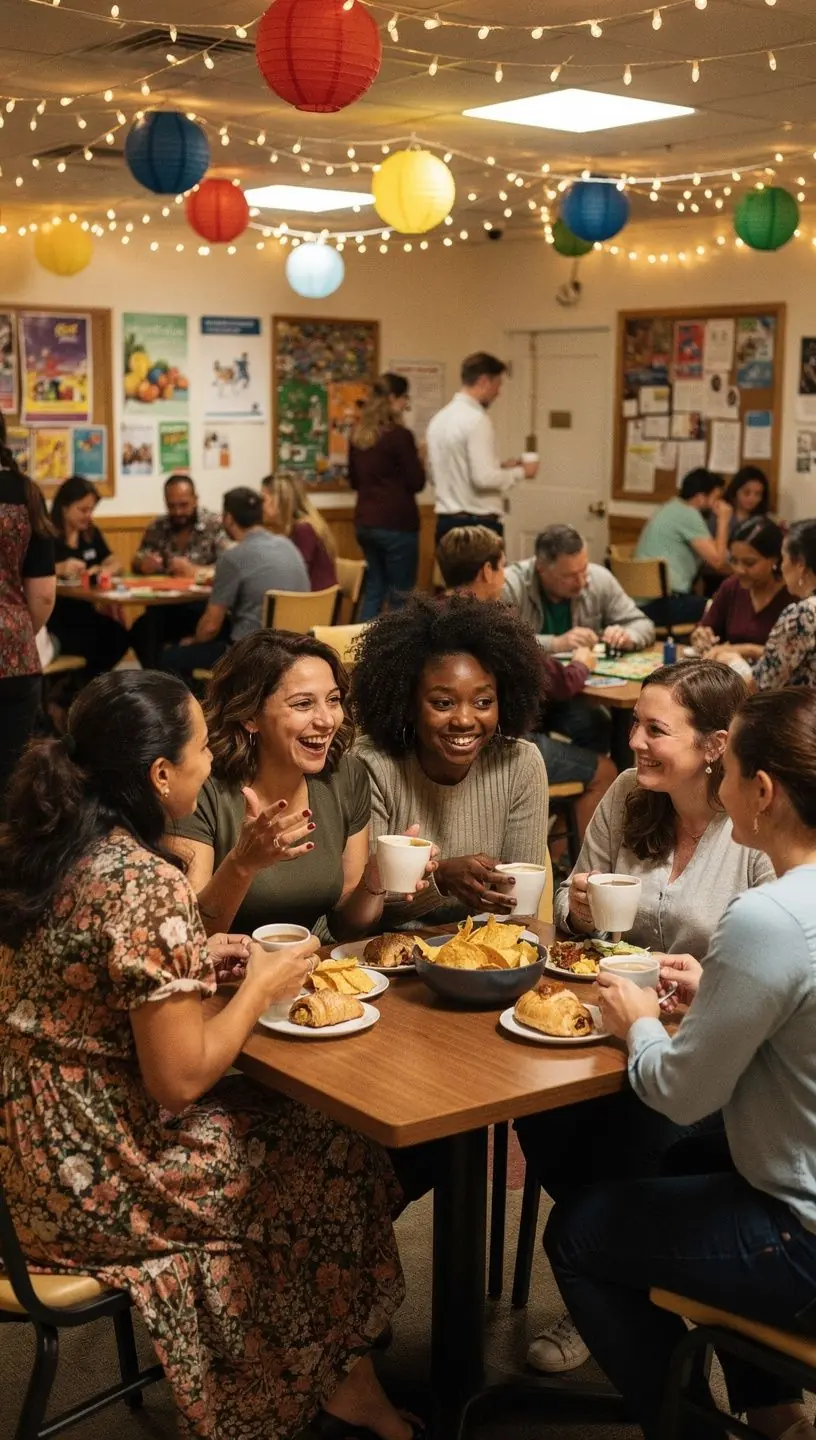
"Cultural festivals not only showcase artistic talent but also strengthen the social fabric of communities." - National Endowment for the Arts
Key Steps to Organizing Your Festival
- Define Your Objectives: Determine what you want to achieve with your festival—whether it's promoting local artists, celebrating cultural heritage, or boosting tourism. Establishing clear goals helps shape your planning process.
- Budget Wisely: Creating a realistic budget is crucial. Many experts recommend allocating funds for venue costs, permits, marketing, and entertainment. According to industry standards, a detailed budget can help avoid common financial pitfalls.
- Engage the Community: Involving local artists, businesses, and volunteers fosters community ownership of the event. Studies show that community-driven festivals often see higher participation rates, as they feel more personal and relevant to local residents.
Promoting Your Festival Effectively
Effective promotion is essential for attracting attendees. Here are some strategies:
- Utilize Social Media: Platforms like Facebook and Instagram can help reach a broader audience. Many users report that engaging content, such as behind-the-scenes footage or artist interviews, increases interest.
- Collaborate with Local Media: Partnering with local newspapers, radio stations, and community blogs can enhance visibility. It's a common practice that helps spread the word and encourages local attendance.
- Offer Early Bird Tickets: Providing discounts for early ticket purchases can incentivize people to commit ahead of time. This strategy often leads to improved cash flow as the festival date approaches.
Anticipating Challenges
While planning a cultural festival can be rewarding, it also comes with challenges. Organizers should be prepared for potential setbacks, including:
- Inclement weather, which can impact outdoor events. It’s wise to have a contingency plan, such as securing an indoor venue.
- Low ticket sales, which may necessitate reevaluating marketing strategies and outreach efforts.
- Volunteers not showing up, making it important to have a reliable backup plan to ensure adequate staffing.
Conclusion
Organizing a cultural festival is a complex yet rewarding endeavor that can foster community connections and celebrate local culture. By setting clear objectives, budgeting wisely, and engaging with community members, organizers can create memorable experiences for attendees. Remember, it typically takes several months of planning, so starting early is advisable. With the right approach, your festival can become a cherished annual tradition that enriches your community.